Leslie Finds Out That Darlene Is Barbara’s Second Daughter | Beyond the Gates Spoilers
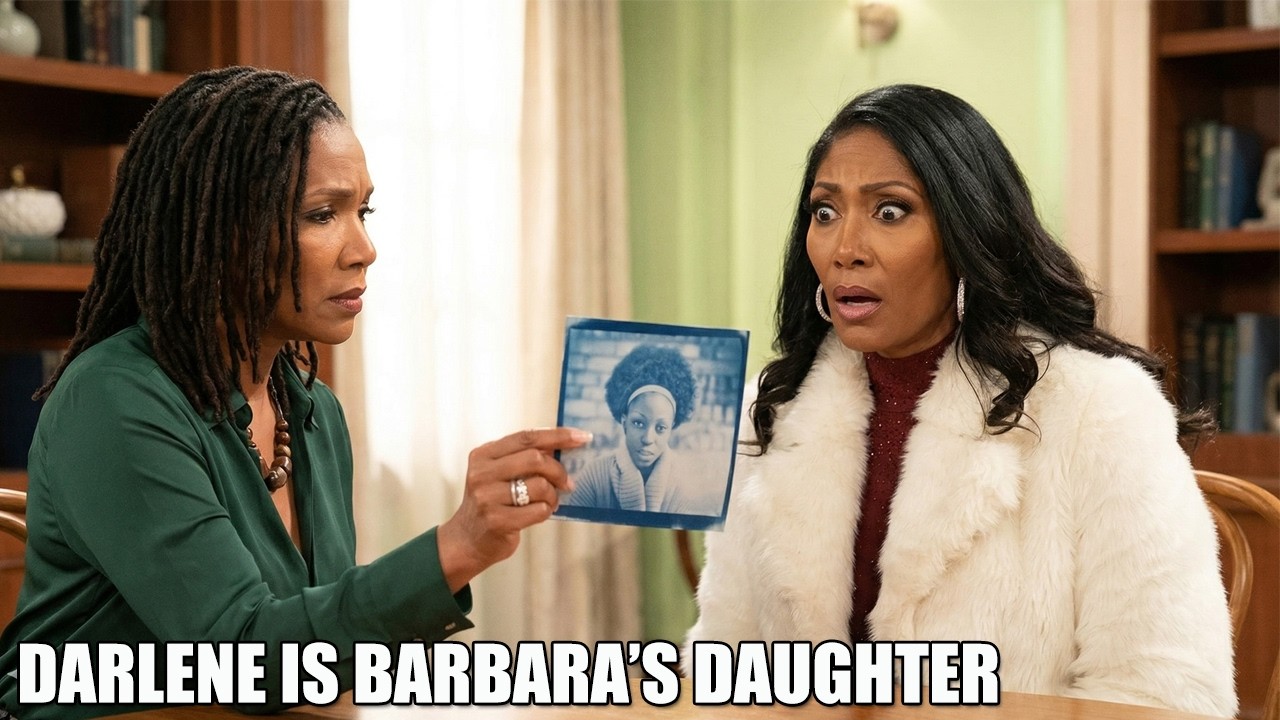
The conflict between Lesie and Darlin has been intense and deeply rooted in resentment, with both women seeing each other as enemies and leaving no room for reconciliation. Their constant clashes have been fueled by anger and misunderstanding, creating a relationship defined by hostility. However, everything shifts dramatically when Lesie uncovers a shocking truth that neither of them anticipated. Darlin is revealed to be Babar’s daughter as well, turning their entire history upside down in an instant. This revelation forces Lesie to reevaluate everything she thought she knew about their rivalry. What once felt like justified anger now carries a far more complicated meaning. The idea that someone she despises could actually be her sister leaves her stunned and emotionally overwhelmed. Her anger does not disappear, but it becomes tangled with confusion and disbelief. This is no longer just a conflict between rivals but a deeply personal situation that changes the stakes entirely. The truth introduces a new layer of complexity that neither woman is prepared to handle.
As the reality of their shared bloodline sets in, both Lesie and Darlin are forced to confront a situation they never chose. Being sisters does not erase the past, especially when so much damage has already been done between them. The pain, resentment, and history of their clashes remain very real and cannot simply be ignored. At the same time, the revelation challenges them to reconsider their perspective on each other. Blood ties have the potential to create a sense of connection, even in the face of deep conflict. This could lead to moments of hesitation where anger once ruled without question. However, it could also intensify their emotions, making feelings of betrayal even more personal. The knowledge that they are family may amplify the hurt rather than heal it. Each interaction now carries greater emotional weight, as their rivalry is no longer just about personal differences. Instead, it becomes a struggle intertwined with identity, family, and unresolved pain.
This turning point creates two possible paths for their future, each equally powerful and uncertain. On one hand, the revelation could open the door to understanding and eventual reconciliation. The idea of being sisters might encourage them to step back and question whether holding onto hatred is worth the emotional cost. They may begin to see each other not just as enemies but as individuals shaped by circumstances beyond their control. This shift in perspective could lead to moments of empathy and vulnerability. On the other hand, the truth could deepen their conflict, making every past grievance feel even more significant. Betrayal may take on a sharper edge, as their connection raises questions about trust and loyalty. Instead of healing wounds, the revelation could reopen them in a more painful way. The emotional tension between them is likely to increase as they struggle to process this new reality. Their reactions will determine whether this truth becomes a bridge or a barrier.
Ultimately, the discovery that Lesie and Darlin are sisters reshapes their story in a profound way and leaves their future uncertain. The emotional weight of the truth hangs over every decision they make moving forward. Neither of them can return to the dynamic they had before, as the revelation changes the foundation of their relationship. Whether they choose to confront their shared past or continue to fight against it remains unclear. The possibility of reconciliation exists, but it requires both of them to let go of long-held resentment. At the same time, the risk of escalating conflict is just as strong, driven by deeper emotional stakes. Their journey now becomes one of navigating identity, family, and unresolved pain. Every choice they make will carry consequences that extend beyond themselves. The tension between them is no longer just about rivalry but about what it means to be connected by blood. In the end, this truth does not provide answers but instead raises a powerful question about whether family can heal wounds or make them even deeper.