Alexis Betrays Drew — Then Gets Arrested for Tampering With Evidence?!
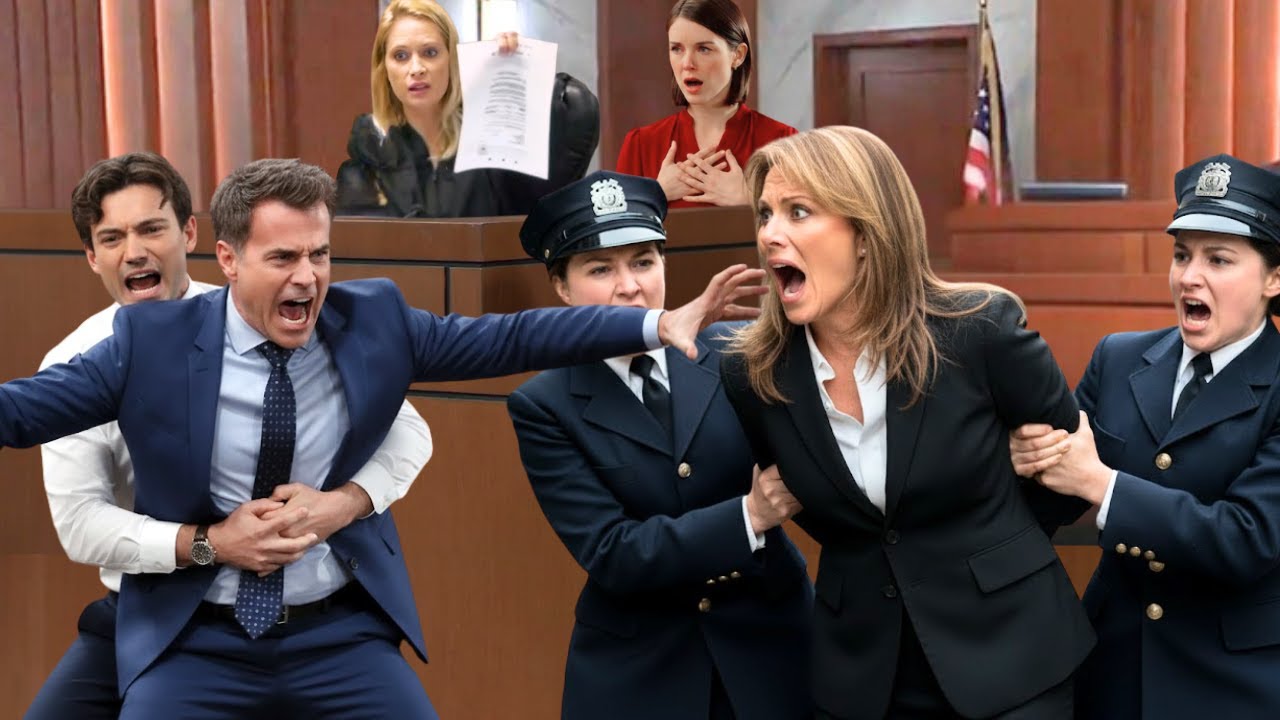
The story centers on Willow’s growing guilt over Drew Cain’s shooting and the revelation that she was the one who pulled the trigger. Through fragmented flashbacks, it becomes clear that Willow has been repressing the truth rather than openly confessing. Soap opera logic complicates the legal situation, especially with repeated misuse of the concept of double jeopardy. While characters discuss whether Willow can be tried again, the narrative explains that double jeopardy only applies to the same crime, not to new actions or outcomes. If Drew were to die from a later event, Willow could still face charges. The show highlights how Soapland law often diverges from real-world legal principles. Willow’s internal struggle drives the plot more than courtroom drama. Her denial and selective memory reveal emotional collapse rather than calculated evil. Drew’s worsening condition raises the stakes and intensifies suspicion around Willow. This arc marks the beginning of a much darker and longer storyline rather than a resolution.
As the fallout unfolds, fans speculate about who might ultimately be blamed if Willow is acquitted, with Michael Corinthos emerging as a possible target. The reveal that Willow shot Drew is handled quietly through memories, not dramatic confession, emphasizing her psychological unraveling. The fact that Drew survived initially suggests Willow did not intend to kill him outright. Her actions reflect desperation and loss of control rather than cold intent. The gun itself, Edward Quartermaine’s revolver, symbolizes legacy, power, and restraint, making its use by Willow especially disturbing. This was not an impulsive outburst but a tragic decision made in denial. The aftermath focuses on why Willow keeps pretending she does not remember the shooting. Her emotional collapse is portrayed as a slow fall rather than a transformation into a villain. Meanwhile, courtroom chaos contrasts with careful investigative work happening elsewhere. The story prioritizes character psychology over spectacle.
Trina and Kai’s amateur investigation provides a parallel narrative that emphasizes growth, perception, and attention to detail. Their discovery of a child’s ringtone becomes a crucial clue, allowing the audience to solve the mystery alongside them. This subtle storytelling avoids loud courtroom theatrics and trusts viewers to connect the dots. Trina is shown as sharper and more complex, while Kai’s goodness feels fragile in Port Charles. The city’s harshness toward purely honest people raises questions about Kai’s future. Elsewhere, Britt returns with her medical license, Laura feels cornered by Sidwell, and Tracy realizes she has been manipulated. Carly’s confrontation with Drew reinforces her role as a forceful presence. These intersecting arcs create momentum driven by character choices rather than plot convenience. The week stands out because actions feel motivated and consequential. Multiple storylines reinforce the theme that small details can change everything.
Willow’s controlled demeanor in court unsettles even the district attorney, suggesting she has learned to separate emotion from action. This ability draws disturbing parallels to past villains and hints at a darker evolution. The possibility that Willow could walk free raises the threat of legal immunity turning into moral permission. Her knowledge of weapons and growing emotional detachment suggest future danger rather than closure. Even if the law cannot punish her, her guilt and secrets continue to consume her. The show frames this not as redemption or condemnation, but as the cracking open of a much larger story. Drew’s potential death would only deepen the consequences rather than end them. The mystery may be solved, but the fallout has barely begun. Willow’s hidden self is starting to surface, and it is unsettling. General Hospital leaves viewers with the warning that in Port Charles, the most lasting damage begins after the truth is revealed.