Iris, TJ, Jeremiah & Hannah are Clowns | Love Island: Beyond the Villa Season 2 Episode 5 Review
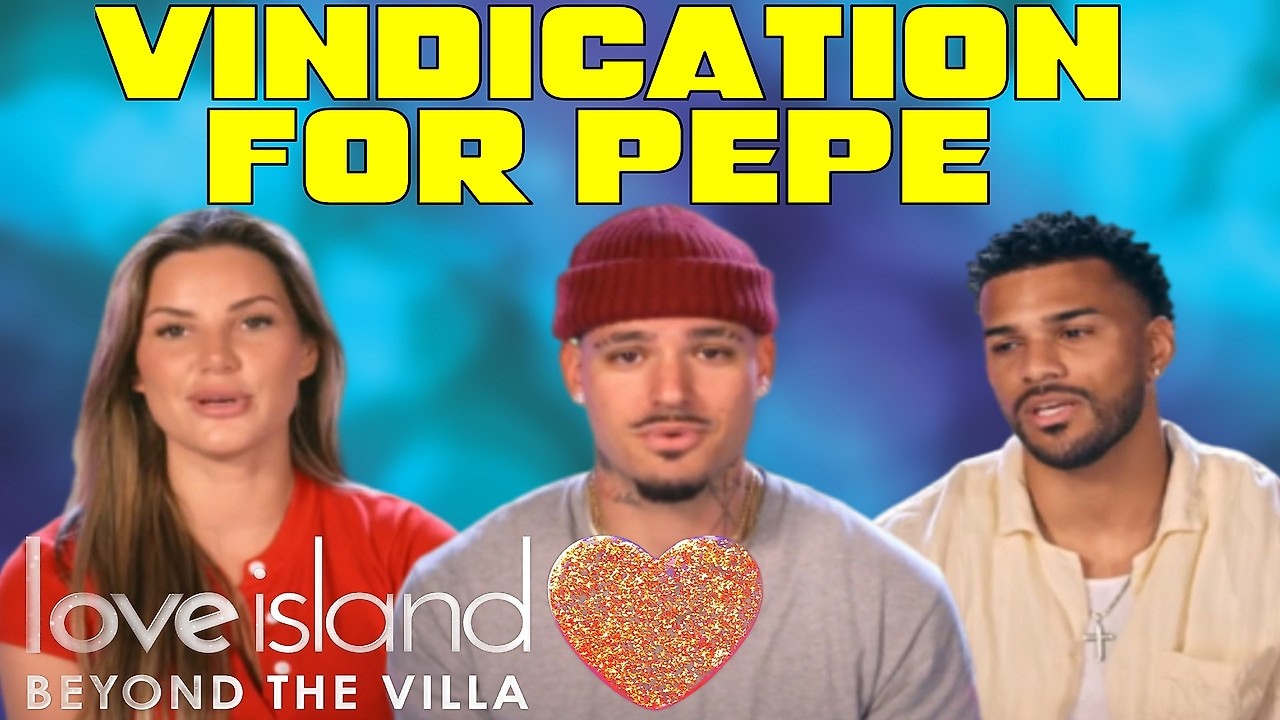
The episode is described as chaotic and frustrating, with the narrator calling it a complete clown show and singling out Iris as the biggest problem by the end of the installment. From the beginning, the tone is emotional and critical, highlighting how certain cast members struggle with public perception and criticism. Jeremiah in particular is portrayed as someone deeply affected by how others view him, showing visible discomfort when faced with backlash. The narrator argues that Jeremiah tends to follow the crowd rather than form his own opinions, especially when it comes to conflicts involving Pepe. The idea of a “bad edit” is introduced as Jeremiah claims key conversations were cut, but the narrator questions whether that fully explains his behavior. The episode builds tension around multiple small storylines before leading into the main drama at the Christmas party. Early scenes with Hannah, Clark, and Taylor explore relationship dynamics, particularly focusing on Clark’s potential dependence on Taylor’s financial stability. Hannah briefly earns praise for calling out the imbalance in Clark and Taylor’s relationship, though the narrator still views Taylor as the main issue. Despite some uncertainty, Clark appears content enough to remain in the relationship, even if motivations are questioned. Overall, these early segments set the stage for the larger conflicts that dominate the episode.
The central drama unfolds at Hannah’s Christmas party, where Pepe’s arrival immediately creates tension among the group. Jeremiah refuses to shake Pepe’s hand, reinforcing the idea that he is influenced by the so-called clout clique and unwilling to hear Pepe’s side. The narrator criticizes the group for collectively dismissing Pepe without allowing him to explain himself, describing the behavior as unfair and performative. Jeremiah later defends himself on social media, claiming his reasons for disliking Pepe were edited out, but the narrator remains unconvinced. According to Jeremiah, his issues stem from Pepe allegedly lying and hurting Iris, yet this justification is seen as one-sided. The narrator argues that Jeremiah’s actions are motivated more by a desire to fit in than by genuine conviction. Pepe, on the other hand, is portrayed as someone unwilling to conform to the group’s expectations, which makes him stand out. This refusal to “play the game” earns him some level of respect from the narrator compared to others who seek approval. The party atmosphere quickly deteriorates as tensions rise and communication breaks down. Instead of resolving anything, the gathering becomes another example of groupthink and exclusion.
Iris becomes the focal point of the controversy as accusations of dishonesty continue to surface throughout the episode. The narrator strongly criticizes Iris for repeatedly being caught in lies while simultaneously labeling Pepe as untrustworthy. A key conflict revolves around alleged texts and rumors involving Iris and TJ, with differing interpretations creating confusion and suspicion. Pepe attempts to clarify his version of events and even asks for proof, but Iris avoids engaging directly and claims her phone is dead despite evidence suggesting otherwise. This moment is presented as another instance of Iris being caught in a lie on camera, reinforcing the narrator’s argument. Previous incidents are also referenced, including times when Iris downplayed her involvement in conversations that others later confirmed. The narrator believes Iris is intentionally avoiding situations where she might be exposed, often resorting to emotional reactions instead. TJ’s involvement adds another layer, as he confronts Pepe but ultimately refuses to accept his apology, escalating the conflict further. The group’s behavior is seen as an attempt to control the narrative and protect themselves from accusations of wrongdoing. As a result, the narrator concludes that the effort to villainize Pepe is backfiring, making Iris and her allies appear more suspicious.
Additional storylines, including interactions between Austin and Grayson, are mentioned but largely dismissed as uninteresting compared to the main conflict. Their emotional conversation and complicated history fail to capture the narrator’s attention, who questions the potential for any serious relationship between them. The episode overall is framed as messy and lacking genuine accountability, with multiple cast members contributing to the chaos. Hannah is also criticized for hypocritical behavior and for making harsh comments about Pepe despite previously interacting positively with him. The narrator highlights how exaggerated accusations and inconsistent behavior have shaped audience perception of the cast. Social media reactions are briefly discussed, with the narrator suggesting that viewers are not necessarily fans of Pepe but are reacting to what they see as unfair treatment. The contrast between claims made by the group and what is shown on screen fuels skepticism among viewers. The episode’s conflicts are described as driven by miscommunication, selective storytelling, and personal bias rather than clear evidence. Looking ahead, the narrator expects more drama in future episodes, particularly involving other cast members like Amaya and Bella. In conclusion, the episode is characterized as chaotic, frustrating, and dominated by unresolved conflicts that continue to spiral without resolution.